DAMPNESS
Is that damp edge growing?
A faint patch. The same corner. A reason to look again.

A crack. A damp patch. A beam that’s changing.
Give the next visit something to compare.
Choose a question.
Move the line. Look closer.
Compare the same point, against the same reference.
Try the method with generated photographic illustrations and sample records. These examples do not analyse your photographs or make a structural assessment.
Damp. Timber. Paint. A tiny leak.
Keep the point. Compare the visits.
A faint patch. The same corner. A reason to look again.
Keep the grain, surface and inspection history together.
A tiny raised edge can be easy to forget between visits.
One fitting. Its visits. The work already done.
Return to the same bolt. Watch the edge of the mark.
A small gap deserves something better than memory.
Illustrative photographs and comparisons. The small tile keeps the place identifiable; photographs, people and any agreed instruments provide the observations.
When an old photograph is all you have, you’re left guessing.
Keep the place, the visit and the evidence together.
Start with the thing that
would be expensive to miss.
Keep repairs, photographs and repeat checks beside the same point. Give the next person something useful to go on.
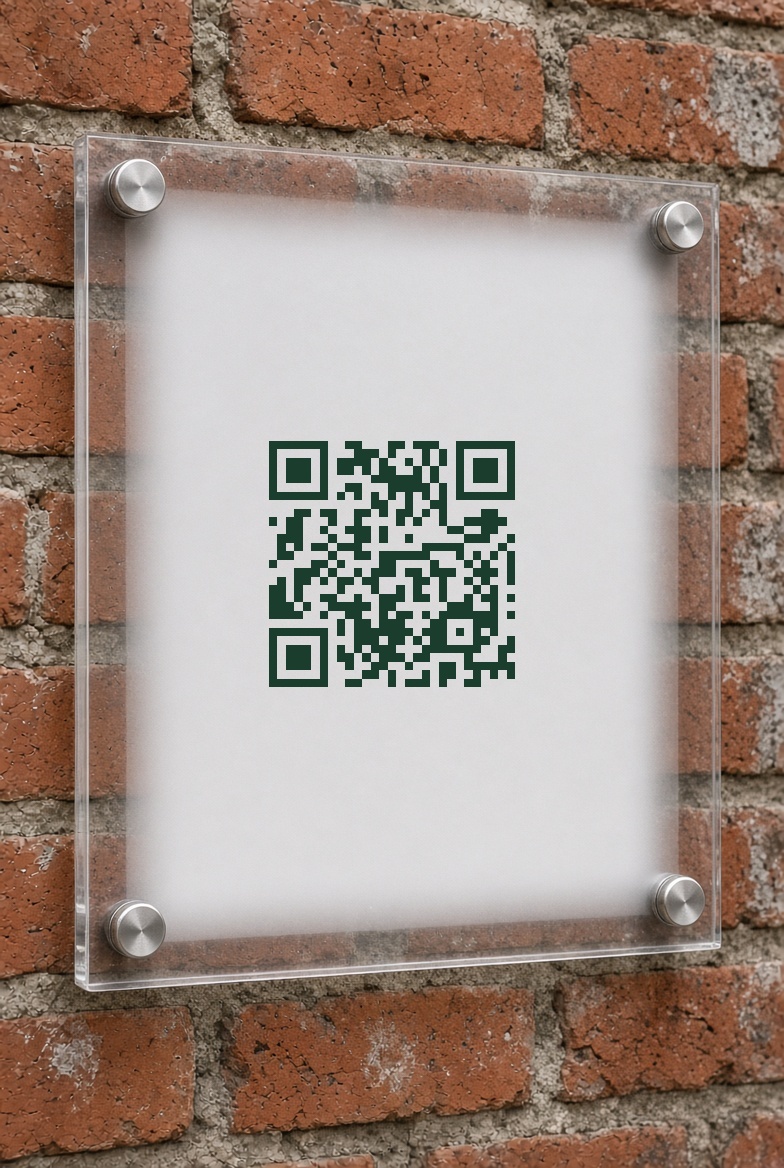
A familiar crack deserves a clear record. Return to the same reference and keep the unanswered questions visible.
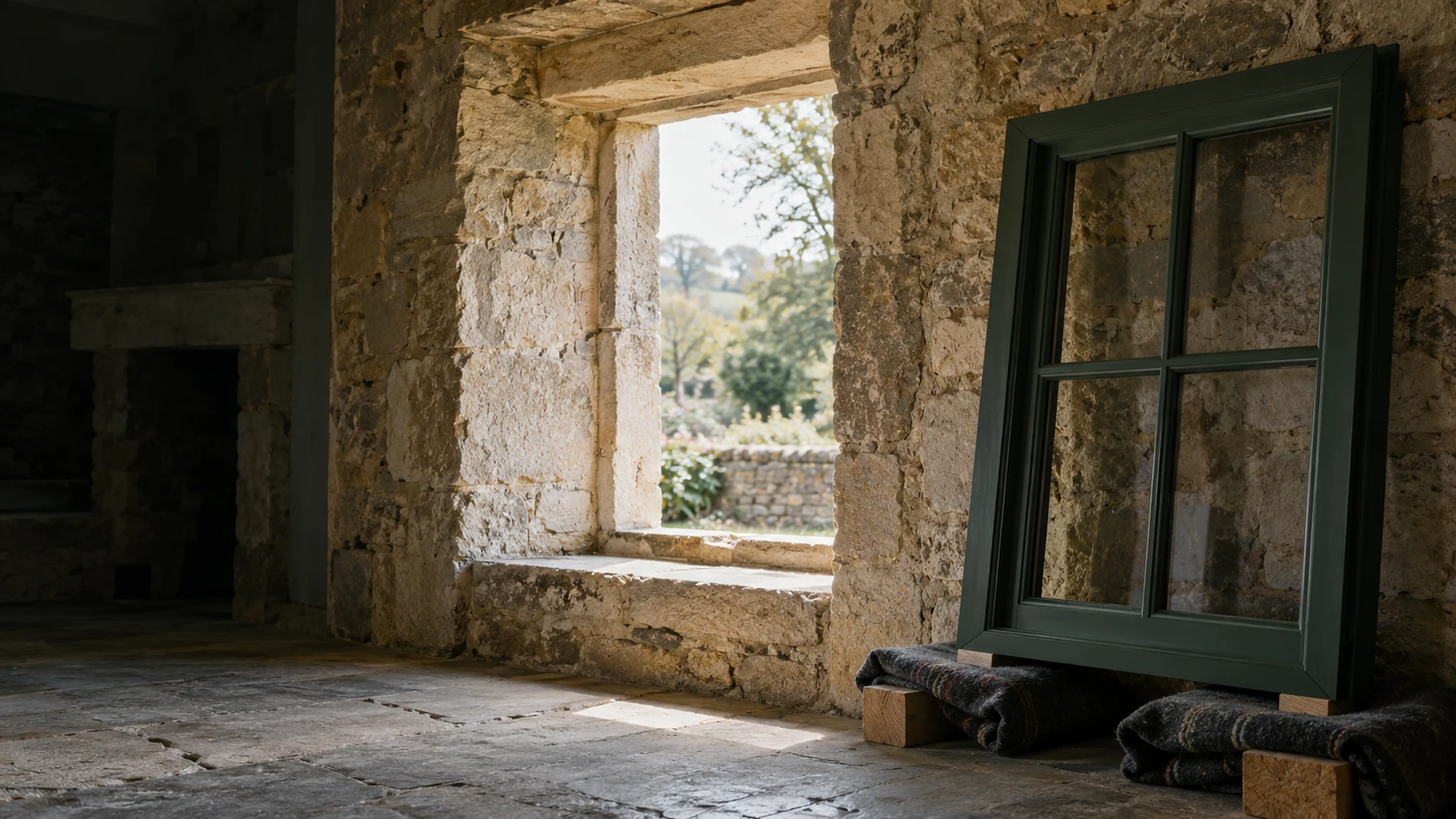
Old buildings rarely follow a perfect drawing. Agree the measurements a maker needs before fabrication begins.
Ask it while there’s still time to change the plan.
Show me the fitting example ↗Survey scope, required accuracy and any maker’s files are agreed for the job.
Tell us what you look after and what you’ve noticed.
We’ll agree what to record, how to compare it and what the work will cost.
The place, the point and what would be expensive to miss.
Access, equipment, reference, recording method and deliverable.
Give the next comparison something dependable to return to.
Keep the change, its evidence and any remaining questions together.
A comparison can give someone a reason to inspect. Structural safety needs the appropriate qualified assessment. This page does not provide one.
Yes, bring them to the scoping discussion. We check whether the place, dates, views and references make a useful comparison possible. Some images will not support a reliable measurement.
A marker can help people return to the same point. A printed QR tile is a doorway to a record. A calibrated measurement reference is a separate specification, chosen for the job.
That can be discussed as a separate survey deliverable. Required measurements, tolerances, file formats and the maker’s acceptance checks must be agreed before work starts.
We quote for the agreed site, access, reference points, visits, equipment, comparison and output. Start with one question; we confirm the scope and price before an order.
These are illustrative scenes, with the supplied tile visual identified separately. The comparisons use generated photographs and example records. They show how the approach works. Availability and measurement performance are agreed and checked for each project.